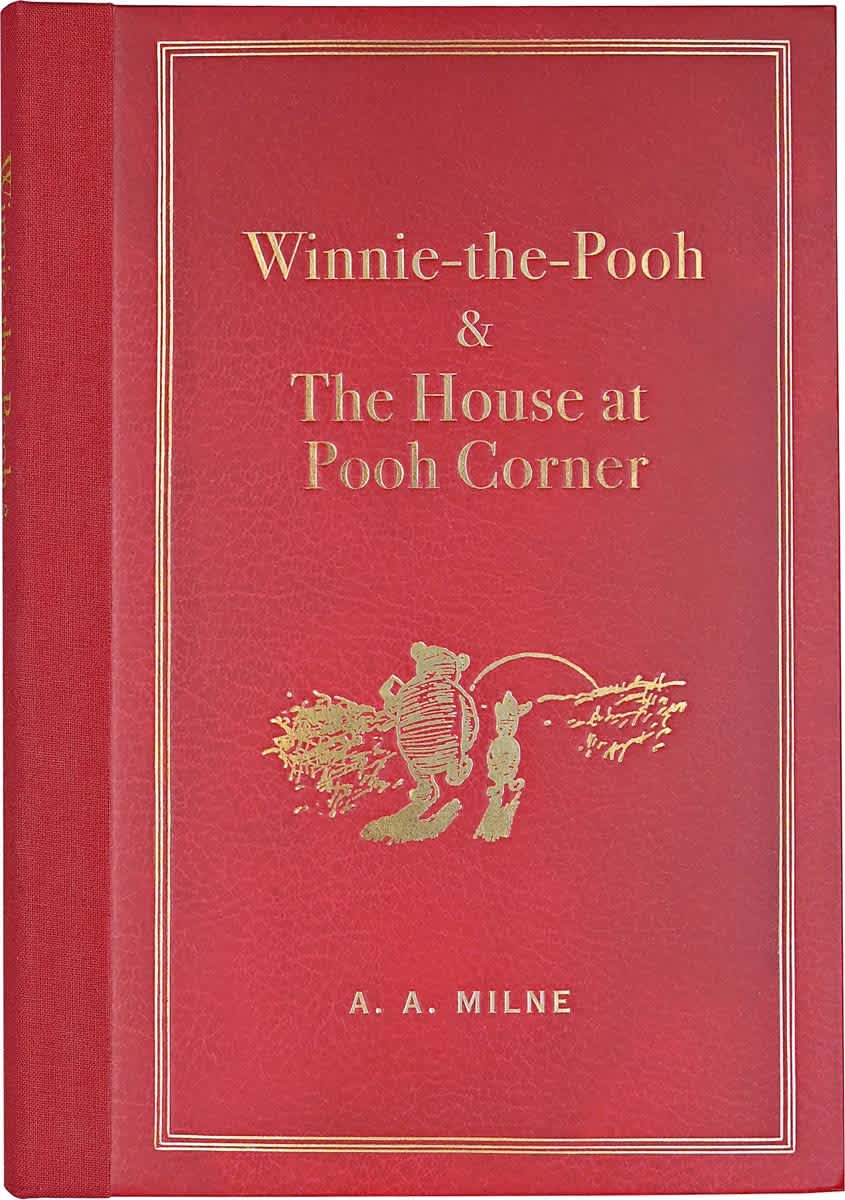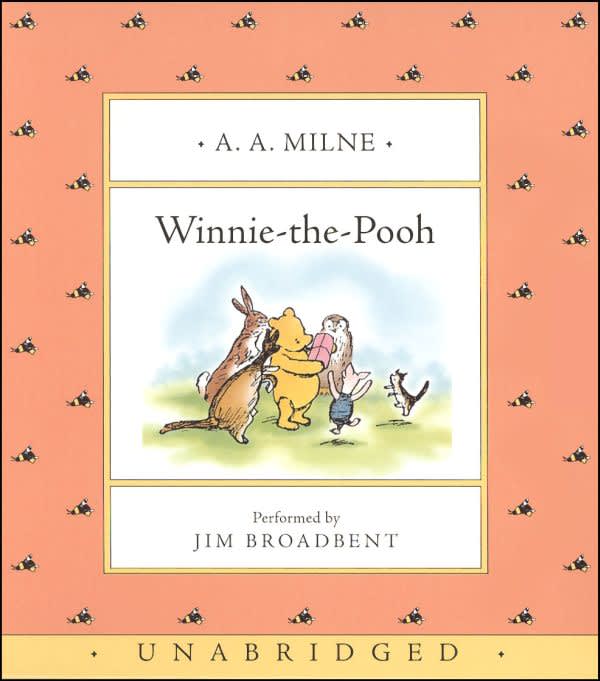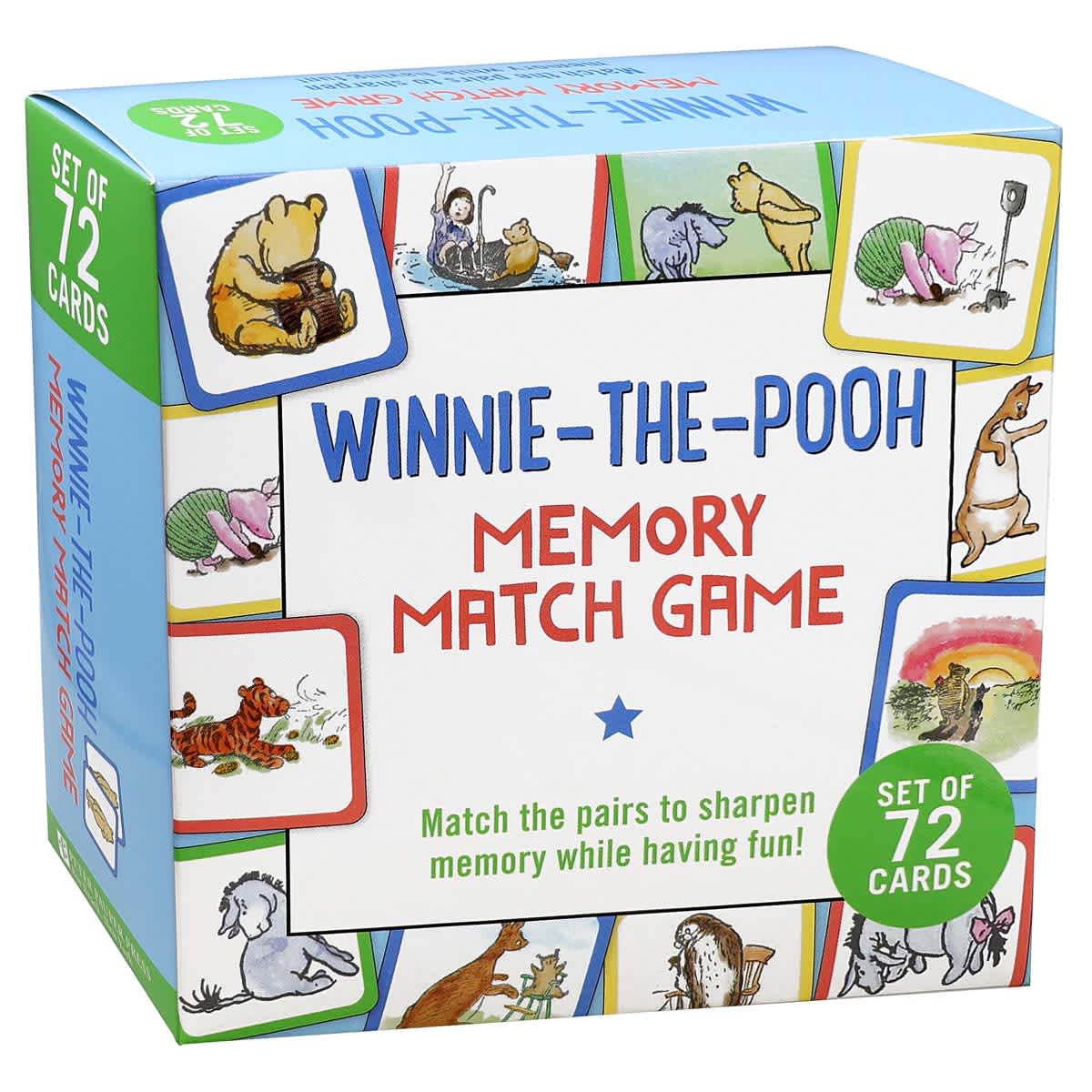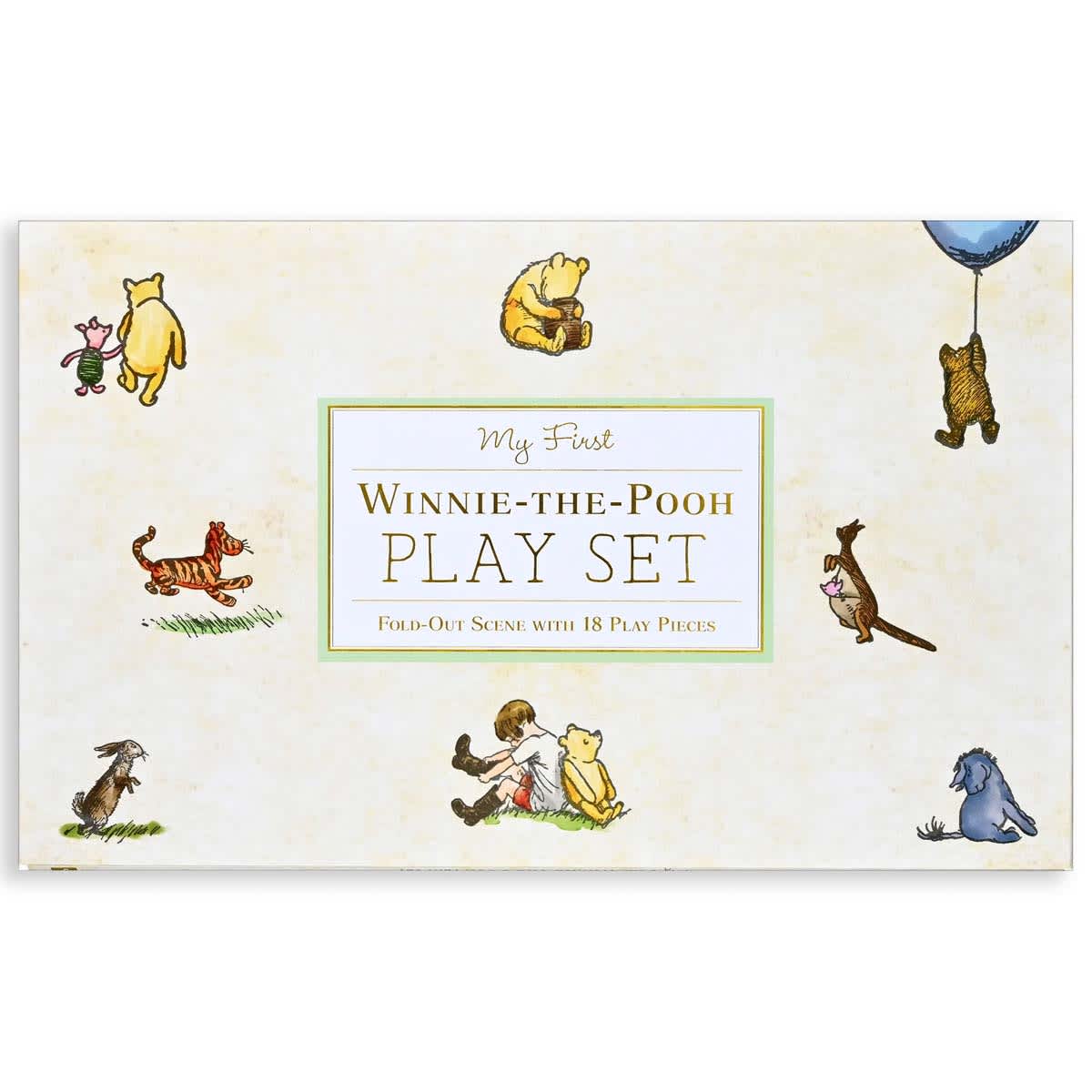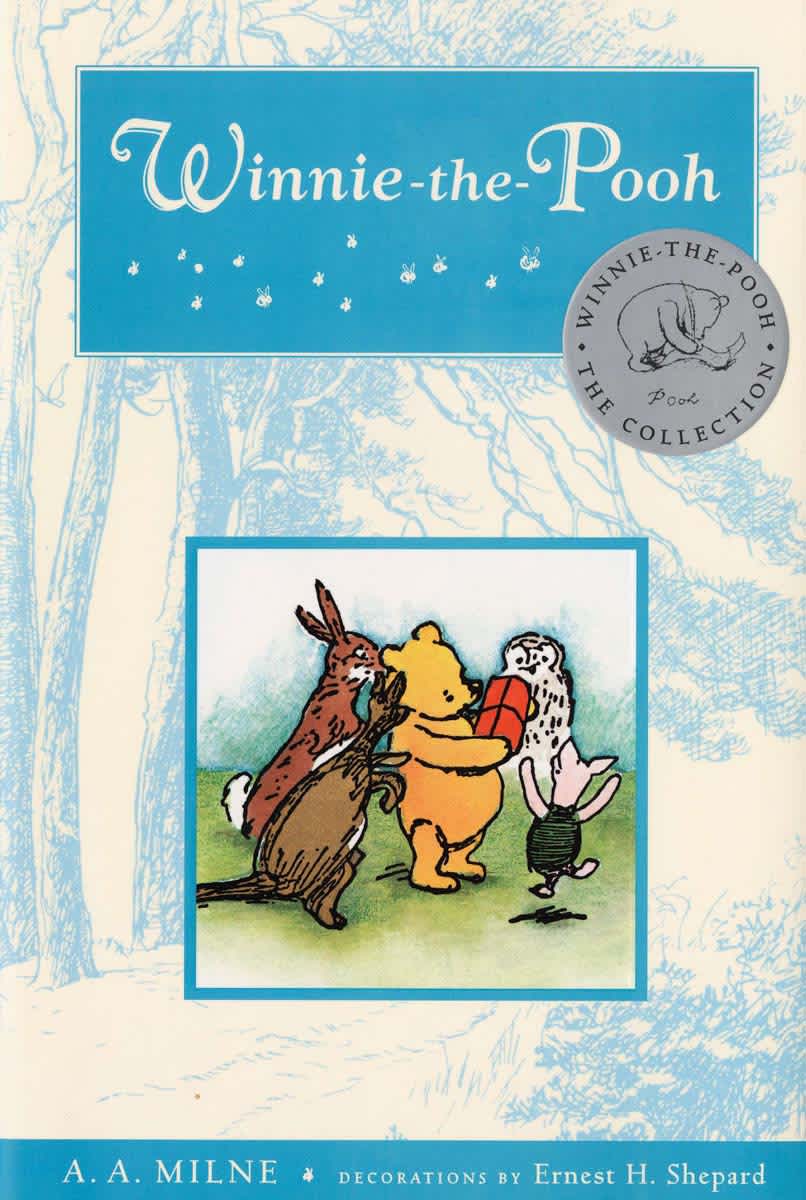
Delighting families for 100 years, A. A. Milne’s Winnie-the-Pooh is a collection of charming stories about a lovable stuffed bear, a young boy, and their many friends! As children, and then again as parents introducing our own children, we went with Winnie to the “Hundred Acre Wood,” and we would be remiss to not take a unit study “Expotition” celebrating this classic children’s story—no matter your age. With childhood themes of cherished companions, memorable conversations, adventures, and melodic “hums” (or ditties), Milne provided endearing stories for the generations. Throughout this study, hyperlinks will lead you to family-friendly websites for enhanced learning.
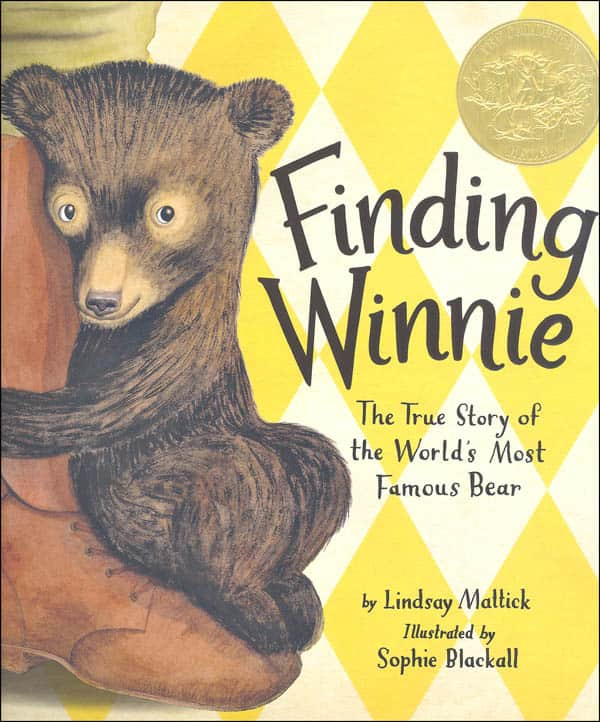
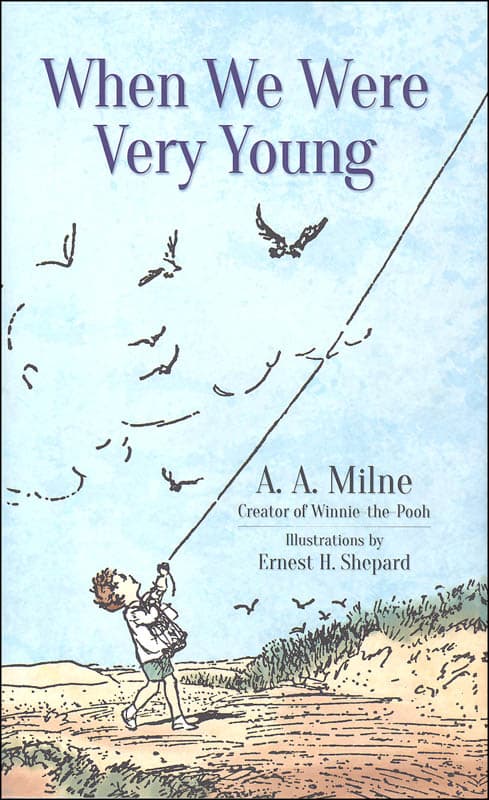
Winnie-the-Pooh was introduced in 1924 through a collection of children’s poems called When We Were Very Young. Read A. A. Milne’s poem called Teddy Bear aloud. Originally known as Edward the Bear, his name was changed on Christmas Eve 1925 when Milne wrote a short Christmas piece called The Wrong Sort of Bees, published in the London Evening News. Fun fact: This short story later became the first chapter in Winnie-the-Pooh. Read the introduction to your children. Why was the bear’s name changed? We know from author interviews that the name is based on a bear that lived at London Zoo during World War 1. But before living in the zoo, Winnie (full name Winnipeg) belonged to Canadian veterinarian, Lt. Harry Colebourn, and was a pet and mascot for the Canadian Infantry. Learn the story behind the Canadian Winnie here. Children and parents will enjoy this delightful memorial to the bear: Finding Winnie. Watch a brief history from the London Zoological Society. While the stories portray Winnie-the-Pooh as golden-honey colored, there are conflicting opinions on the type of bear the living Winnie was. Most resources identify him as a black bear; others proclaim him a brown bear. Have your children learn about black and brown bears, including the differences. Ask children to share which type best describes our book character and explain the reason for their choice.
The Pooh stories are set in a mythical land called the Hundred Acre Wood that was based on a large park near the Milne home. Ashdown Park is a wildlife haven that spans more than six thousand acres in southeast England, although the heart of the story was specifically the 500 wooded acres called Ashdown Forest. Take a tour with Dave Lee Down Under and the Ashdown Forest website. Interesting fact: The woodlands were altered dramatically in 1987 when a great storm impacted southeast London.
Much of the appeal with the Pooh stories comes from the charming, relatable—and so like us—characters. Most of us are familiar with them, although often the lines blur between the book characters and those popularized through television and movies. Purchasing the character rights in the 1960s, Walt Disney Productions® created additional characters and adventures that have earned their place alongside the original beloved tales. While information abounds on Milne’s beloved characters, we see ourselves in each of them: Winnie-the-Pooh (or Pooh) is likeable, thoughtful, and often times single-minded in his pursuit of honey. Piglet, sweet and timid, often worries about real and imaginary events. Eeyore is a melancholy donkey, who is known for his loyalty and perseverance. Tigger brings a smile to everyone’s face with his pouncy, flouncy, and trouncy high-energy approach to life. Kanga and Roo are a beloved mother and joey. This delightful pair teaches the power of a mother’s protective love for a curious, energetic little one. Each of these memorable characters are based upon toys (currently displayed at the New York Public Library) that belonged to Mr. Milne’s son, Christopher Robin. Yes! The character who helped and kept all the animals safe was based on a real child. The stories also included two other characters that were not based on Christopher Robin and his treasured stuffed animals: Owl and Rabbit. Owl is the wisest of all the characters and is called upon to solve problems for his woodland friends. Rabbit also displays some wisdom, but he is more known for his nonsensical approach and ability to organize and lead. Sadly, it recently became known that the real Christopher Robin struggled greatly with his parents and the life that came from the book’s success. Depending on the ages of your children, you can explore more of this online (see Time’s The True Story of Winnie the Pooh and Goodbye Christopher Robin for insights). Ask your children if they think being a child that was famous because of a book would be hard. Have them explain their reasons. Encourage them to think about the good and the bad aspects of fame. This is also a good time to talk about the importance of family relationships. What types of things can parents and children do to prevent resentment? (While better suited to older children, younger children benefit from these types of conversations as well.) Parents, if you’d like a little direction, see Positive Family Relationships: How to Build Them or iBelieve’s How to Recognize Seeds of Resentment in your Children.
Another of the stories’ charms is Milne’s unique writing style. Considered a “children’s book,” the stories are simultaneously simple and complex, equally engaging the adult reader and the young listener. The Pooh stories use a complicated point of view structure. In the introduction, the narrator addresses us directly as You (2nd person). Then as the stories begin, everything switches. We learn that the narrator is telling these stories and even talks in the story directly to—Christopher Robin (CR), and we are invited along. This narration technique is called Frame or Nested (a term which better suits the Hundred Acre Wood, we think). Other books with Frame Narrative include Tales from the Arabian Nights and The Wuthering Heights. The Princess Bride also provides an excellent example, which was retained in the movie. Watch a clip here. Then, as we proceed through Pooh’s adventures, the narrator inserts CR in the stories. As we read, we also get to hear and learn each character’s thoughts (3rd person omniscient). Have your older students compete on this Point of View Jeopardy game.
Your children may be pleased to know that, as an author, Milne plays with all kinds of traditional writing rules and norms. He interrupts his own story; he writes incomplete sentences. He plays with words (Can you guess what a Heffalump might be in our world? What about Crustimoney Proceedcake?). He creates his own words (no one is uncheered by a balloon), even nonsensical words like Tiddely. Which makes me think of a Hum. Pooh’s The More It Snows is an easily memorized poem. If you own the Winnie-the-Pooh Book, you can find it in the first chapter. Take time to read and memorize it together. As a chorale reading, have children recite the main lines; younger ones can chime in on the Tiddely-Pom. Make up your own onomatopoeic phrase to represent the snow falling, how the cold feels, or the sound boots make in the snow (splishity splash?). Then, to make Pooh proud, recite your revised Hum aloud.
Thanks for joining us on this Expotition into the Hundred Acre Wood.
The endearing quality of Winnie-the-Pooh is best summed up by the final paragraph from The House at Pooh Corner: “So they went off together. But wherever they go, and whatever happens to them on the way, in that enchanted place on the top of the forest, a little boy and his bear will always be playing.” Together is where adventures begin!