Remember that beautiful homeschool plan you made in August? The carefully chosen curriculum, the schedule that looked completely doable, and the vision of everyone happily getting their work done each day? And then the school year started. In August, we make plans based on what we think our days are going to look like. By October, we have some actual information to work with, which makes this a really good time to stop, take a look at how things are going, and regroup.
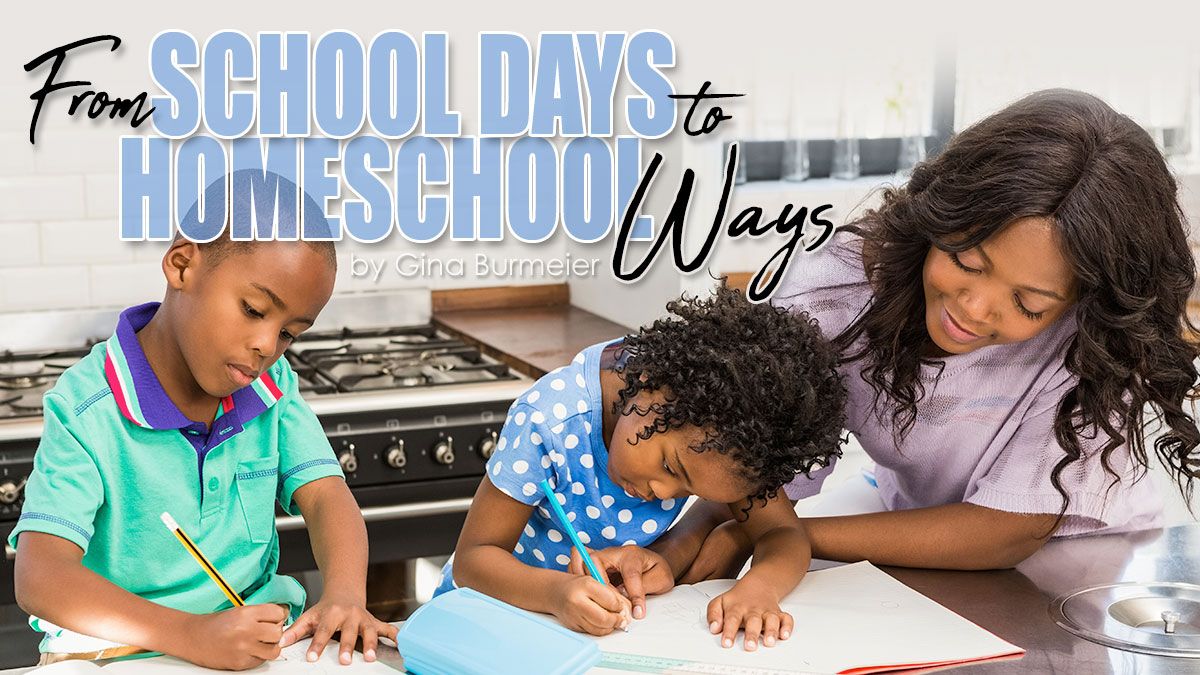
You made an important decision to homeschool your children, and with it comes a lot of changes. Walking away from the rhythm and structure of the school day might leave you a little overwhelmed. But take heart, even though there are big changes, the blessings will be plentiful! Many years ago, my husband and I decided to homeschool just a few days before the new school year started. Although my children were only in early elementary school, it was still frightening stepping into an unfamiliar new chapter. Yet a part of me felt confident and at peace, knowing we were following through on our convictions and embarking on an exciting journey with our children. Here are a few tips that helped us acclimate that first year and made the transition a little smoother.
Lesson plans done. School books organized and tucked neatly on the shelf. Pencils sharpened. Meals planned. Laundry caught up. The conditions are PERFECT for back to (home)school! In my mind, I can see your total look of despair and eye rolling. That’s ok! Looking back on 15 years of homeschooling, this never described my home or life! Guess what? It is ok! Homeschooling happens when life and home aren’t perfect. And part of kicking off the school year right, mom and dad, is for you to give yourself grace. The house won’t be perfect. The laundry may not get done. The pencils break. The books get misplaced. It is called real life, and it is ok!
We fill our lives with a lot of busyness. In the case of homeschool parents, this can put a lot of pressure on mom and dad to do their best multitasking on a day-to-day basis. You always have a multitude of things to accomplish – not only homeschooling your children, but also cleaning, laundry, cooking, errands, paying bills, making calls, and the list goes on and on. If you weren’t tired before you started homeschooling, you certainly are now! Multitasking can be overwhelming and chaotic if there is not some sort of organization to your days, weeks, or homeschool year.
You have made the decision to homeschool! If you are anything like me, the fear, anxiety, and nerves soon start to weigh on your decision. The self-talk begins to chip away at the resolve over the well-researched, prayed-over, and supported decision you just made. Whether your first child is starting out at kindergarten, you have a student coming out of the public school system, or you have a new student joining your established homeschool routine, this is a new year of education, and we can choose to start strong right out of the gate! Doing so means we approach our new year of homeschooling with goals in mind, a plan established, and the flexibility to evaluate.
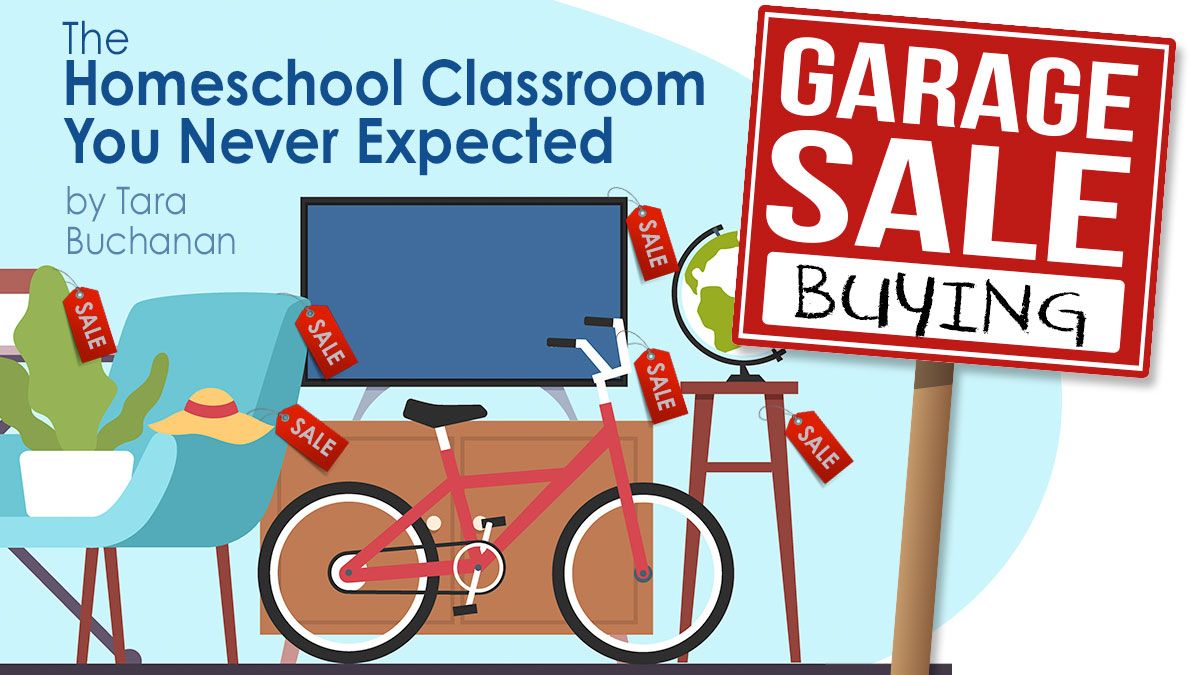
“One man’s junk is another man’s treasure!” In this article I want to talk about having a garage sale. I know, it’s a lot of work! But hear me out…During summer break (or at a time that is good for you), take the time to go through your house. We have done this just about every summer as a family. This will help bring some order to everything and help you to be ready to start the new school year out on top. Decluttering is so good for everyone! Garage sales give your kids, even young ones, an opportunity to experience the entrepreneurial spirit.
For my family, the end of the school year coincided with the beginning of my favorite season: garage sale season! That’s what I call it here in the Midwest. We’d visit towns near and far who were having neighborhood sales and spend the day seeing what treasures we could find! For my kids, they might have thought, “no school today!” but truthfully, they were just learning and reviewing those skills out in the real world. Sometimes that meant a bit more work for me, as I spotted opportunities for them to put their mind to work. Looking back, I see how those days at garage sales helped reinforce a variety of skills we were learning at home.
Pulling weeds isn’t the most exciting part of gardening, but it always brings me satisfaction. Some weeds come right out while others are stubborn and need a little extra pulling, often with a garden tool. When it has been hot and dry, I might even spray a little water first to make it easier. After weeding, I love admiring my beautiful flowers or hearty vegetable garden. As I relate this to learning, homeschooling has taught me that reluctant learners are like those beautiful flowers and garden plants. Oftentimes they just need the weeds pulled away to blossom and grow.
Summer is the perfect time to do fun and educational activities without the pressure of formal lessons! Kids can take time to explore things they enjoy and absorb learning through a wide range of summer activities. Here are some summer activities that double as learning opportunities, organized by theme so you can choose what best fits your family’s preferences!
When a student approaches a perceived challenge in a school subject, it can often lead to critical reflection in both our students and in ourselves. In these moments, it's important to identify the “why” behind the challenge and find ways to navigate through it. What is making this task “not fun”? Is it too challenging? Is it not enough of a challenge? What makes certain materials or subjects difficult for our students? Are they resistant because of aknowledge deficiency or is it a mere challenge to their knowledge base?
Remember that beautiful homeschool plan you made in August? The carefully chosen curriculum, the schedule that looked completely doable, and the vision of everyone happily getting their work done each day? And then the school year started. In August, we make plans based on what we think our...
You made an important decision to homeschool your children, and with it comes a lot of changes. Walking away from the rhythm and structure of the school day might leave you a little overwhelmed. But take heart, even though there are big changes, the blessings will be plentiful! Many years ago, my...
Reading aloud equips your children with a personal toolbox they’ll use throughout their lives as readers, learners and communicators. In our busy and demanding home school lives, though, making time for this activity can be a challenge. In Part 1, we discussed the Why of reading aloud to all ages....
Snuggle up before bedtime, pull out a picture book, and read to your preschooler. Many families read to their children in the early years. They know that reading aloud plays a significant role in a preschool child’s thinking and language development. Reading aloud to preschoolers increases their...
Lesson plans done. School books organized and tucked neatly on the shelf. Pencils sharpened. Meals planned. Laundry caught up. The conditions are PERFECT for back to (home)school! In my mind, I can see your total look of despair and eye rolling. That’s ok! Looking back on 15 years of homeschooling,...