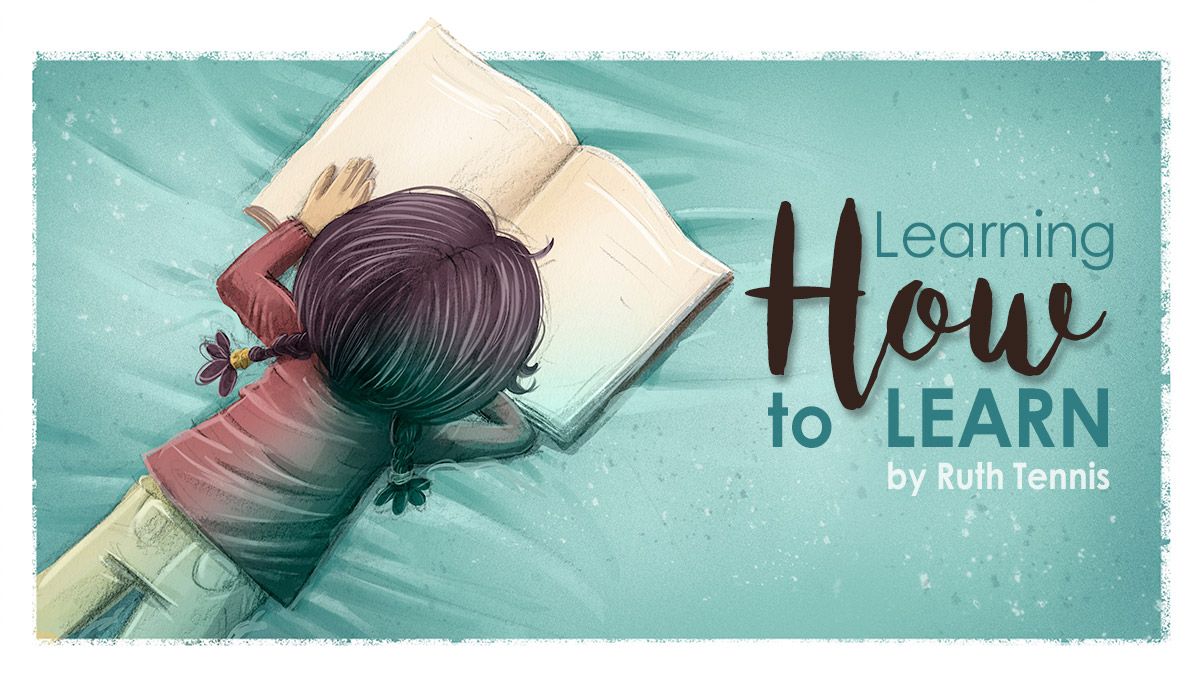
I studied in high school. Correction (and confession): I studied for good (enough) grades. That was all I wanted. I memorized and crammed for the test. That’s how I defined learning. I got good enough grades, but in retrospect, I squandered my learning. Did that knowledge make any difference in me after the exams? True learning is about the long goal: absorbing and applying the information and skills needed to live life well. Learning requires learning how to learn. This process doesn’t always come naturally but it can become a life-long, rewarding process.
Sometimes we forget that we must guide our students in learning how to learn. Telling them to “study more” provides about as much guidance and saying, “be happy!” Studying means we read and examine closely with the intent of understanding, retaining the knowledge, and applying it in our lives. We can help our children tap into this “study muscle” and show them how to make learning a life-long skill.
Tips for remembering key concepts
Students can create visuals to remember key points; rewrite concepts in their own words; draw a picture or a diagram. Try illustrating the key points in a passage. Implement multiple paths to help cement that information. Perhaps your student can explain to a sibling what they’ve learned. Different techniques help students engage with what they’re learning and deposit it into long-term memory.
Writing the important details down creates another level of “sticky” in the brain. Students creating their own flashcards is another effective option (physical is best, but digital can make do). Mix flashcards together from different subjects. Slide in the French vocabulary with the Chemistry cards. Doing so reinforces the information and stores it more permanently in the brain.
Tips for getting the most from a textbook
Studying a textbook requires a different approach from reading your favorite novel. Reading for key information, understanding, and retaining requires discernment and study. Have your student try a method and see which might be a helpful tool.
Option 1
When your student reads a text, they can try out the SQ3R method:
- Survey: Read the introduction, skim the learning objectives and study questions, and review the chapter summary
- Question: Write down questions that come from reading
- Read: Look for the answers to your questions
- Recite: Answer questions aloud. State what the key info is and jot it down
- Review the key points and what you’ve learned. Do this step periodically
Option 2
The Cornell Note Taking Method provides a tool to organize your learning without being restrictive. With this approach, you’ll jot down main points, key thoughts, and questions you have. The Cornell Method helps you engage with, understand, and retain the information you’re studying.
Try out this simple way to transform what you’ve read or listened to into notes with 4 main elements:
- Write a Title of lecture/video or chapter you’re reading
- Create a larger section for main notes and the key thoughts
- Add a column to the side for questions or keywords
- Summarize your notes at the bottom
If this technique seems like a possible fit for you, check out this step-by-step guide from WikiHow.
Final tips for long-term retention
Cramming information is not learning it. There are many options to get learning into your long-term memory. Review information regularly in short time periods. Teach someone else what you’re learning. Rest between learning sessions. Try different techniques to see what works best for you.
Don’t get to a place where you stop learning. It’s good for us and good for our kids to see us apply ourselves to learning and then apply what we’ve learned. Together with your child, you can develop a mindset of continuous learning, engaging with curiosity, and applying what’s learned to your lives.