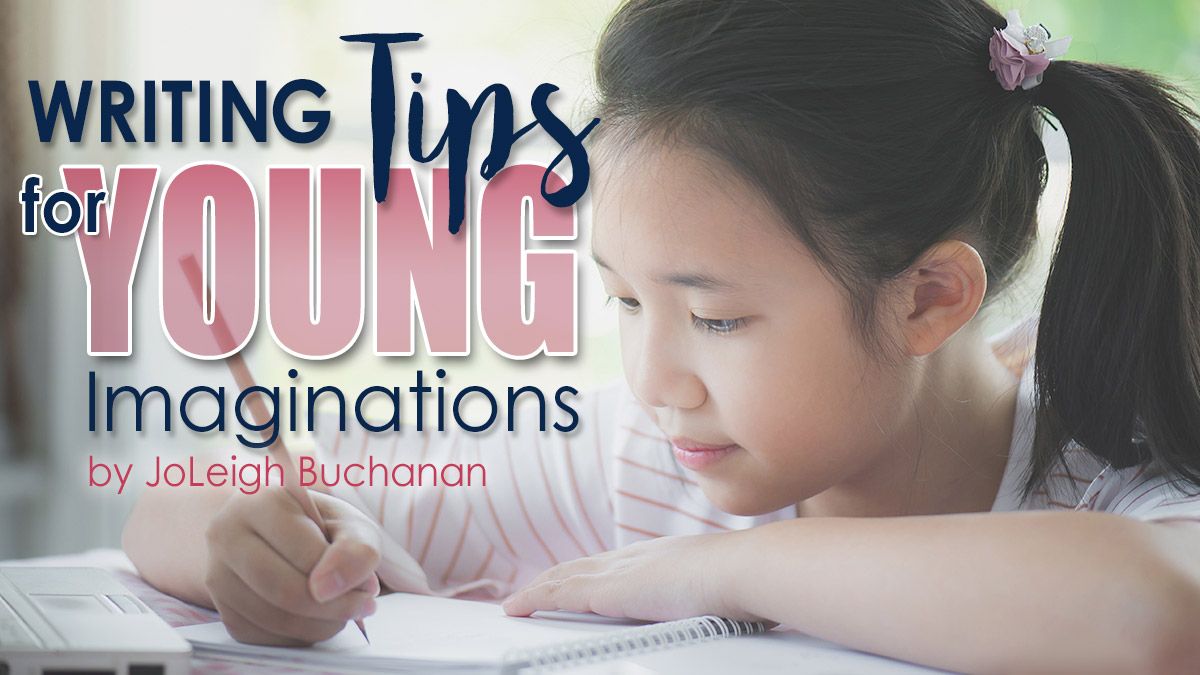
Every year, Rainbow Resource Center receives hundreds of stories from young storytellers pouring their hearts and imaginations onto paper. We just finished up our 11th annual summer book contest, and once again, I was blown away by the students’ talent! Of course, only a handful of stories could place overall, but regardless of scoring, if a student wrote an entire book, is that still not an amazing victory? They created a story out of thin air! Maybe as the parent of a reluctant writer, you’re wondering, how do I help my student write like that? Or maybe you have a voracious writer who consumes any piece of paper she sees and you’re wondering, how do I help her improve? As a writer who began her journey very young—and self-published three novels as a teenager—I would love to share some encouragement and practical tips for you as you cheer on your young writers.
When starting to write a story, there are some basics your writer should know before putting pen to paper. The first and most important question about the story that needs to be answered is, what is the problem? Or, phrased a different way, what does my character want, and what is stopping them? This is the plot of the story—the problem. Once you have figured that out, you need to ask, how will they solve this problem? What will they need to learn? Who will help them along the way? Characters are critical to a story, and your writer needs to know some basic things about their characters: appearance, personality, family, strengths, weaknesses. Character Profiles are an excellent way to help your student learn how to develop characters while having a blast. When developing a setting for the story, remember it can be as complex as a fictional country, but it can also be as simple as a backyard with two oak trees. Observation Walks where kids write down what they see, hear, taste, and smell can be a hands-on way to connect real life to their story and teach descriptive writing. Create-a-Country story templates are also excellent ways to teach basic elements of a setting. I love games like He Said, She Said or Story Cubes that teach basic story elements and generate story ideas while simultaneously being tons of fun.
Once you understand the different story elements, it’s time to brainstorm. Since kids are naturally imaginative, they often aren’t limited by the same things that we are. Things that seem unrealistic to us are story fuel for young imaginations. To spark ideas, ask questions and avoid criticism. Ask questions about the world. Ask questions about stories they like. Ask “what if…?” and watch young eyes light up with possibility. As they start imagining and wondering, avoid criticism. Even if something in their story is unrealistic—well, of course it is! Later, when the story is almost done and there’s still that gaping plot hole, you can address it. But right now, writing anything is more important than writing correctly. So what if there’s no logical explanation for why the magical unicorn can breathe underwater?
Make time and space for them to write, and don’t make it seem like a chore. Creativity isn’t something that can be forced, so avoid instructions or time limits. Provide them with glittery pens, a fun notebook, maybe computer time to type, and then let them take the reins and prepare to be amazed with what they come up with! (P.S. You might want to be available during this time for several rounds of “Mom, how do you spell…?”) And even if they close the notebook or the computer tab and have only written a few sentences, that’s still worth celebrating!
When it comes to your advanced writers, they likely have a stronger understanding of stories and make more time to write, but they may be asking you harder questions, struggling to overcome writer’s block, or attempting more complex storylines and themes. Whether beginner or master, all writers face struggles! Here are some of my favorite tips and tricks that have helped me over the years and that I believe can apply to writers at any stage of development.
- Keep writing, even if it’s “bad.” Everything can be edited, fixed, and rewritten—except a blank page! Encourage your young writer that it’s OK if they don’t get it right the first time. Sometimes, that breakthrough doesn’t happen until you’re willing to write nonsense for a few pages. Endurance and commitment are what are important here, not waiting around for the perfect idea or solution.
- Outlining can be helpful, but it’s not for everyone. I outline everything because I write better that way. But I know plenty of writers who make it up as they go and still produce incredible works of art. Leave room for your writer to discover what works best for them. That said, if they’re stuck, switching up methods can be a useful strategy.
- They do not have to finish everything they start. Sometimes it takes three failed stories to find the good one. Sometimes forcing yourself to finish a story you don’t like anymore takes away the fun of writing. Promote follow-through when you see excitement, but don’t push too hard when you sense disinterest—instead, suggest exploring a new idea.
- Sharing stories with trusted people brings new insight. As a child, I was very protective of my writing and didn’t like anybody else to read it. You can respect this desire in your child—writing is, after all, very personal—while still encouraging them to share when they are ready. Especially if they are serious about their writing, remind them there are insights they may need that they can't find on their own. A fresh set of eyes can prove invaluable when revising a story or overcoming a block.
- Don’t let them throw away anything. They may hate it now. You may both agree it’s cringey. But they will want it in 20 years, and so will you. Their imagination will never be quite like it is right now, and writing preserves a piece of that for the future versions of you. They also may never know when they may want to return to an old story they had deemed a “failure” in order to add a new spin!
Your child’s imagination is a beautiful thing, and watching a young storyteller flourish is so much fun! As a parent and teacher, you can create spaces for their wild ideas to come to life and where they can learn confidence in their abilities. As they share their thoughts with you, ask good questions. If you’re not sure how to guide them, ask yourself what you want to know about the story! Give them good books to read, and more good books, and then even more. Encourage them to imitate good writers until they begin to establish their own style and voice. Praise their writing, point out what you love, and delight in every misspelled word that says, I did this on my own! And when your older student hands you a story that brings tears to your eyes or leaves you astonished, don’t say I didn’t warn you. ~JoLeigh