It seems that kids these days have it easier when it comes to finding information. Just google it, and bam, there’s the answer! Or so Google says. They don’t have to drive over to the library and pull large reference volumes off the shelf just to find the answer to a question or do a quick fact-check. Just google it!
Google is a fact of modern life and is almost essential to our lives as adults. But we also recognize that sending our young children off to search the internet is not always a good idea. In many cases, it’s an absolutely horrible idea! The first obvious concern is them stumbling onto inappropriate content. But just as likely is them not finding the right information, reading from a poor source, or even more likely, spending way too much time just scrolling.
Before our kids start googling, which is inevitable, we can teach them to be good searchers of information outside of the internet. That usually means searching through books first!
Becoming a good searcher of books
Learning to search through books is a different experience than searching online. First of all, books just smell better! They are tactile and engage the senses in a way that a computer can’t. Books give kids lots of context; facts are usually nestled within their area of study. And searching through lines of text requires more mental effort than just typing in a short phrase. Turning physical pages is different than swiping and clicking.
No matter what curriculum you’re using, or even if you are not homeschooling, kids tend to ask questions about a lot of random topics. Often at inopportune times, and many of which you don’t even know the answer to. (That’s a life lesson right there: mom or dad don’t know everything!)
For example, your child wants to know how big a tiger is. A 3.2 second search online would give us that answer. Done.
We look for that same answer in a book. Since it’s an animal question, let’s pull out our handy Animal Encyclopedia. How do we find the tiger page? Maybe your child just flips around, looking for a picture of a tiger. Or you can show your child the table of contents. How is this particular book organized? This encyclopedia is organized alphabetically, so your child has to think of where in this book a "T" for tiger would be. Then they locate the page number, and now you’re engaging number recognition! This other encyclopedia is organized by animal classes, so the child has to think, or learn, which class or family the tiger belongs to. Mammal!
Here’s the tiger! If he wants to find the size, he has to scan the page for numbers. Ah, there it is in the box of key facts. He also sees nearby pages and notices that they all fall into a category called Big Cats. Then he wants to compare the size of the tiger to other big cats. One simple question, so much learning!
I’m getting tired just writing all that out. But that’s because there’s so much more thinking involved as you find information in a book. Your child learns about categories, relationships, and that there are different ways to organize information. Tigers belong with mammals, with big cats like lions, with animals who also live on the savanna, and with other animals that also start with "T."
This same process is true for older children who ask tougher questions and use more advanced reference books. As the student becomes a frequent searcher of books, then when it’s time to tackle Google, he has the skills he needs to search well. He has developed a strong, precise vocabulary, he can spell correctly (won’t that get you in trouble on Google!), and he understands categories and subcategories. Having read good reference information in books, he can recognize a website that has well-written and well-organized content. He’s learned to spot what “good information” is by reading high-quality books.
Build a home library!
Every home library, especially a home educator’s library, can benefit from being well-stocked with a variety of reference materials. Becoming a good searcher of information includes having easy access to many quality books, especially reference books. Where to begin? Rainbow Resource Center carries a wide selection of reference books. And these aren’t the stiff, boring encyclopedia sets that they sold door-to-door back in the day. These are colorful, engaging books you will keep year after year that will capture your kids’ attention. Have these types of books nearby and refer to them often, like a good friend.
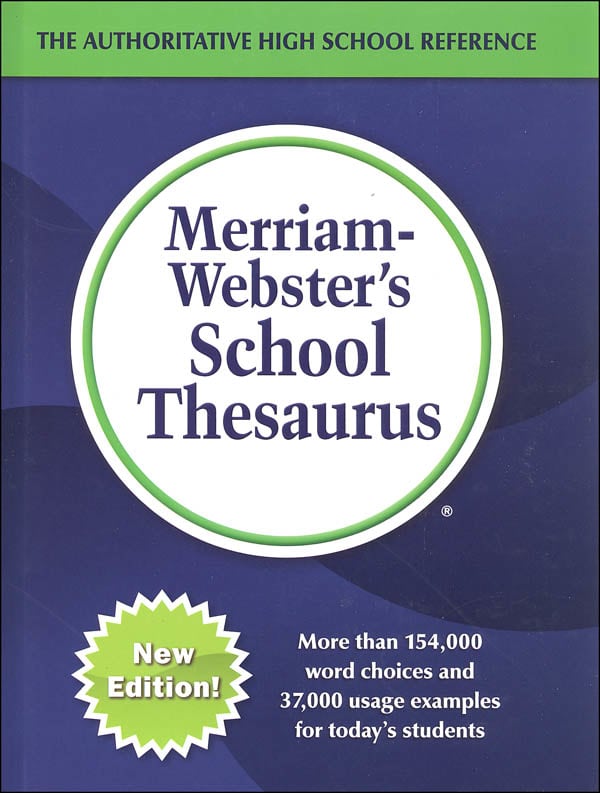
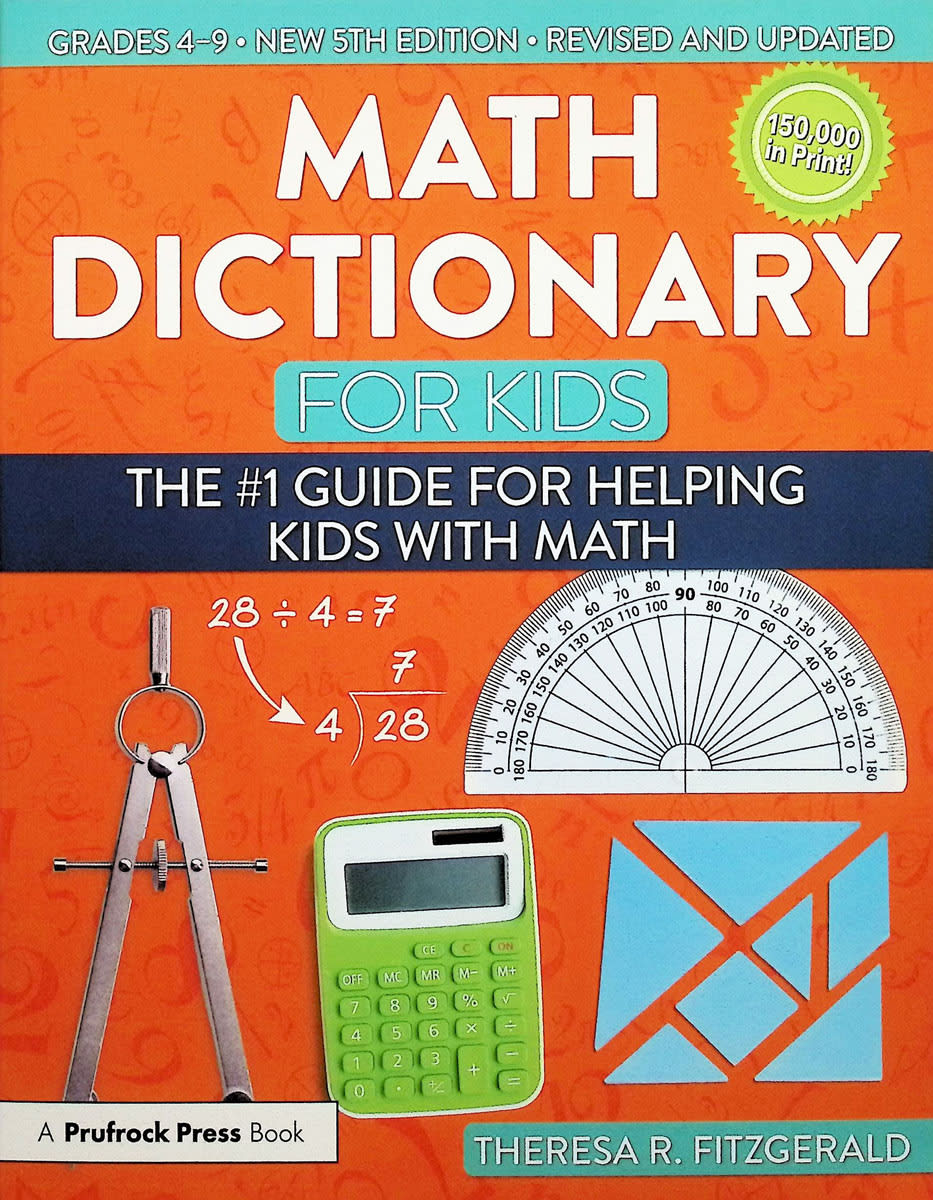
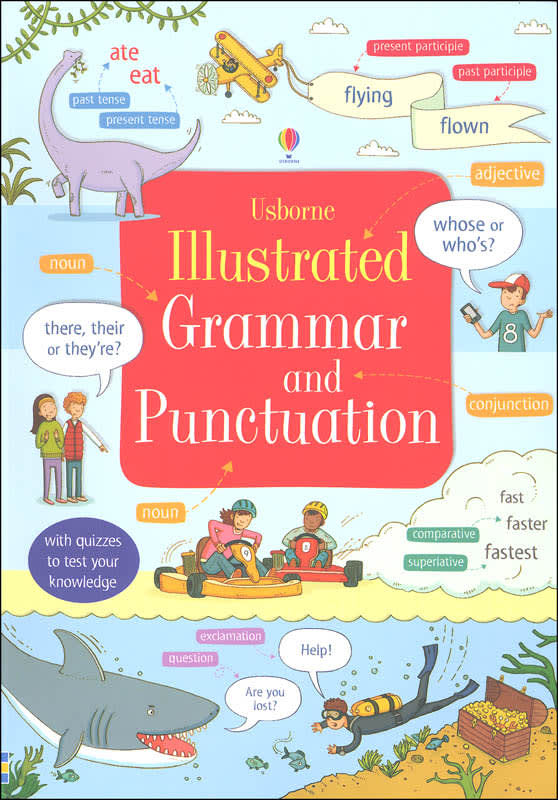
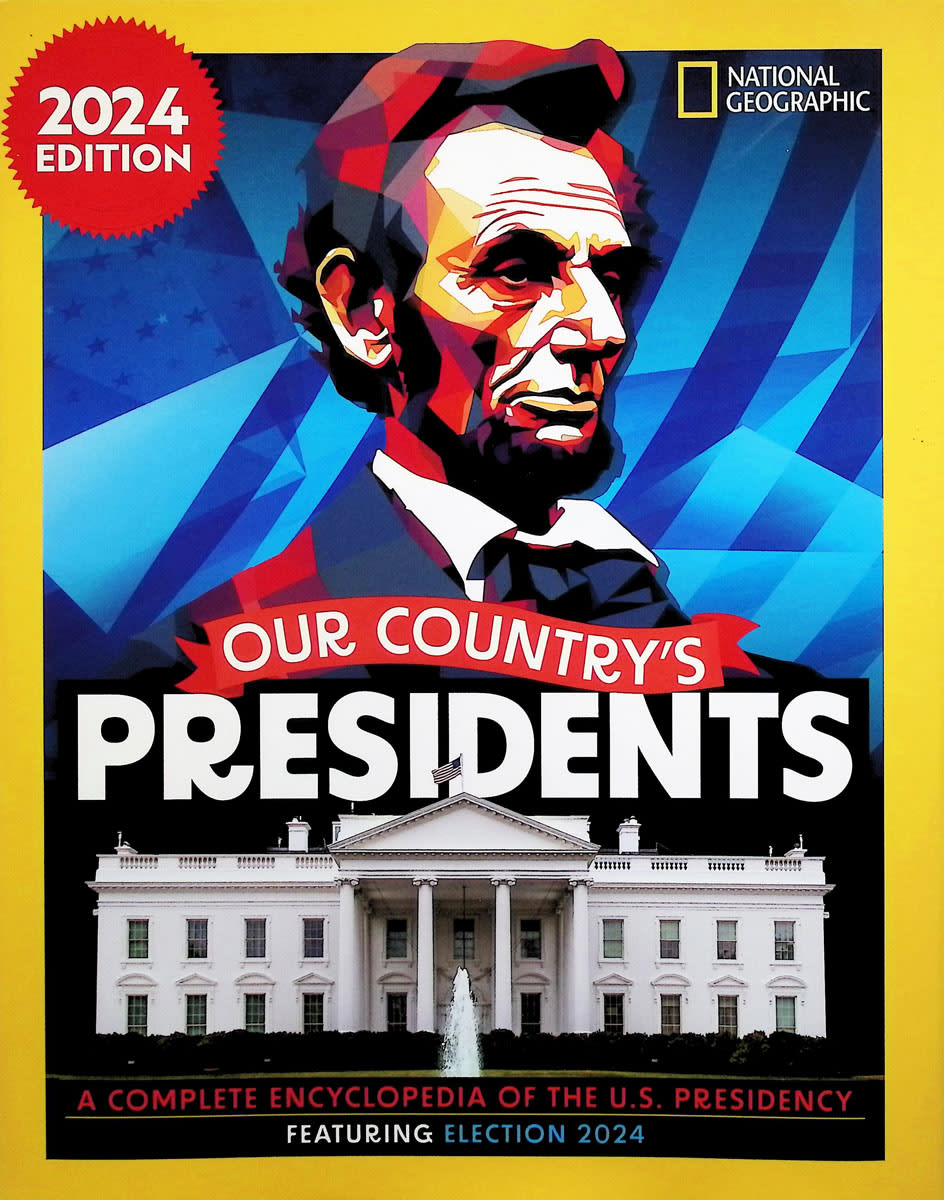
Some great places to start are: Dictionary, Thesaurus, Animal Encyclopedia, Nature’s Treasures, Science Encyclopedia, Space Encyclopedia, Periodic Table Explorer, History Encyclopedia, Historical Atlas, Bible Encyclopedia, Math Reference, Grammar Reference, Atlas, The Way Things Work, Our Country’s Presidents.
With these types of books on your bookshelf, your child is learning that books will help satisfy their curiosity. They learn what’s in a table of contents, what’s in an index, and how the information is ordered. They see what kinds of vocabulary belong to which subjects. It is these skills that will help them become a savvier googler later. Best of all, you can usually safely place these kinds of reference books in a young child’s hands with a freedom that we can’t just let them have on the internet. Go ahead and “browse”!
This applies to parents, too! Besides just searching for curriculum on Rainbow’s website, consider ordering a physical catalog! You may find that flipping through the pages of a catalog is easier than wading through a website, for the same reasons listed above. You can learn so much about homeschooling and curriculum just by reading our detailed and organized catalog. Request a catalog HERE and add it to your home library!
The other surprising benefit of building a home library
Fascinating research recently came out of Australia about how the size of home libraries was correlated to kids’ academic achievement. They discovered that for adolescents, the more books that were in the child’s home, the stronger they were in literacy and numeracy. To clarify, this study wasn’t counting the number of books the student had read, just how many books were physically in the home!
Read the study: Growing Up Surrounded by Books Could Have Powerful, Lasting Effect on the Mind
Isn’t that wild? I don’t know the whole why of that study’s outcome, but I really like it. Think about what the presence of many books in the home tells our kids. They learn that books—and words by extension—are important and valuable. Yes, they’re heavy, and yes, they take up space, and God bless the people who unload boxes of them off the truck when you’re moving. But the joy and benefit of books is worth their weight. You’re not just building a library, you’re building a love for reading in your children. And fellow bibliophiles, you can use that piece of research to justify your book-buying addiction. It’s for the children, and their future.
Need help finding good reference books or building your home library? Contact our Curriculum Consultants via email, phone, or chat! We’d love to help you! ~Tara