Sassafras Science Adventures is a fun, Charlotte
Mason-inspired, hands-on science program from the publisher of Elemental
Science. It follows the Sassafras Twins on exciting around-the-world
adventures with their eccentric Uncle Cecil and his lab assistant, a prairie
dog named President Lincoln. Through an engaging story, children discover that
science is anything but boring!
The premise is simple: read a story, perform experiments,
and keep a log. This living books approach combines rich narration, real
experiments, notebooking, copywork, and discussion to help students develop a
genuine love for science while building strong observation and thinking skills.
It works especially well for multi-age learning.
Sassafras Science Curriculum Components
Each semester-long Adventure requires three core components:
- Reader:
The heart of the program, it is a lively story that carries the science lessons
as the twins travel and explore.
- Guide:
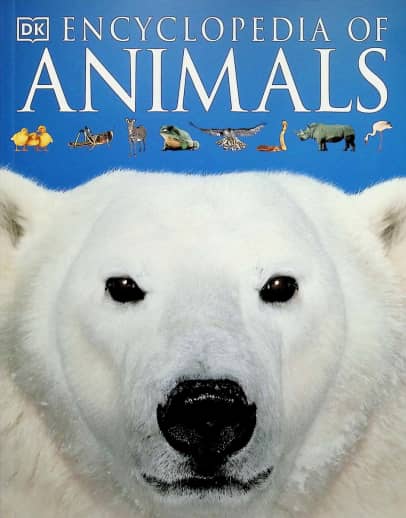
Provides chapter summaries, discussion questions, vocabulary, encyclopedia
suggestions, experiment instructions, copywork & dictation, additional
activities, and more. Includes an appendix with reproducible pages for
family use.
- Scidat
Logbook: A consumable student notebook where children record
observations, color maps, draw illustrations, complete copywork/dictation,
and document experiments and projects. The Logbook becomes a beautiful
record of your child’s journey!
The Scidat Logbook is not reproducible, so you’ll
need one per child. A fair amount of writing is involved, making this program
slightly more intensive than some other Charlotte Mason-style science
curricula. Younger children may need parental help.
Available Adventures by Volume
- Volume
1: Zoology
- Volume
2: Anatomy
- Volume
3: Botany
- Volume
4: Earth Science
- Volume
5: Geology
- Volume
6: Astronomy
- Volume
7: Chemistry
- Volume 8: Physics
Sassafras Science is an excellent choice for families
who want living-books science that is engaging, memorable, and gently rigorous.
It’s perfect for fostering a true love for science in a multi-age homeschool!
Browse all Sassafras Science Adventures, including Readers,
Guides, Scidat Logbooks, and complete Sets below!