How does a parent go from hands-on, exploratory, interest-driven learning in the early grades to the super-structured, credit-driven, academic standards content of high school? The middle grades (about 5-8) are a time to prepare students for the expectation of high school. It might not be around the corner, but it is down the street!
As homeschooling has exploded, the available educational resources have grown as well. The options are overwhelming, but the real question is which option is better? Do I use the tried and true, that beloved program successfully used for a generation, or will the newer curricula options provide my child with a better education?
Gaps, holes, chasms — call them what you will, but they are a real fear for some parents and something they will avoid if possible. Gaps typically happen when you make a big change. It can be from one math program to another, or it could be from attending school to homeschooling. How do you fill these gaps in understanding?
If you are following a traditional school year or have a schedule unique to your family, the half-way mark is a fair time to look at your curriculum choices. What do we like? What is not working for us? If you feel that you are missing something, supplemental materials might be helpful to plug those gaps!
Are you noticing the mountain top areas where your homeschooler is excelling in certain topics and contrasting those with valley areas of struggle? Now is a great time to observe and address these little struggle moments that could grow into bigger tensions in your academic year. What do you do when you start pinpointing these areas of pain within your student’s day-to-day work?
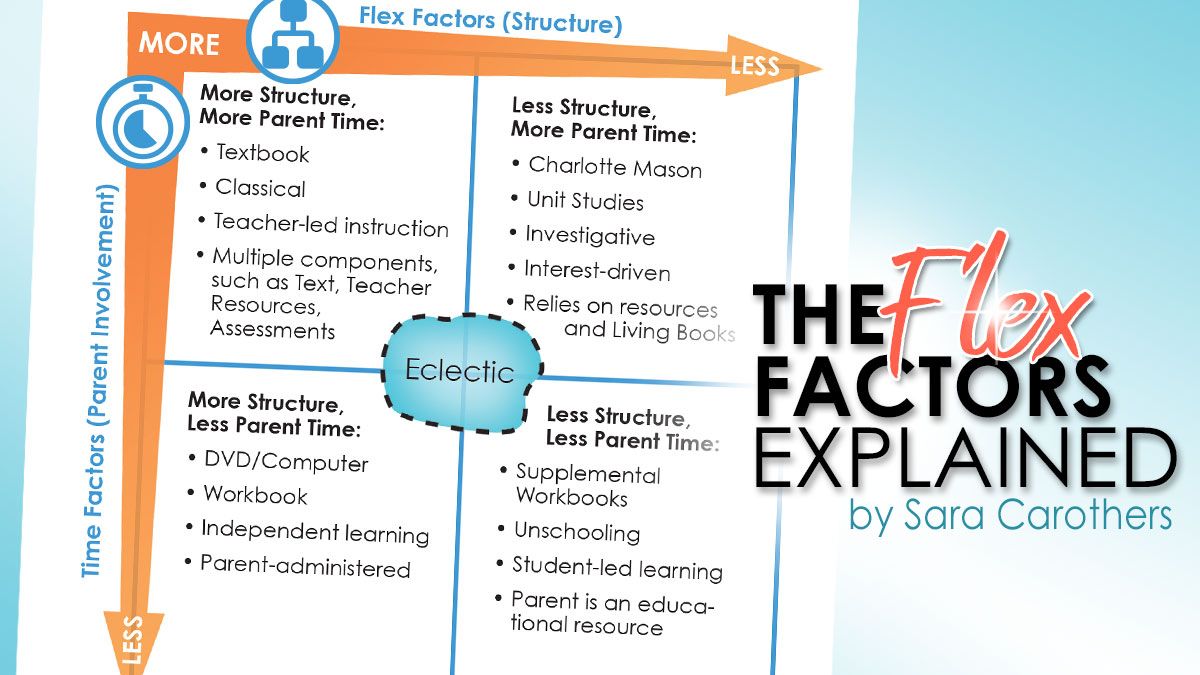
If you’re familiar with our “FAMILY Factors” for choosing curriculum and have thought through your family’s goals and unique characteristics, then the Flex Factors chart will help you put curriculum options in perspective. Think specifically about your available time to homeschool.
Snuggle up before bedtime, pull out a picture book, and read to your preschooler. Many families read to their children in the early years. They know that reading aloud plays a significant role in a preschool child’s thinking and language development. Reading aloud to preschoolers increases their...
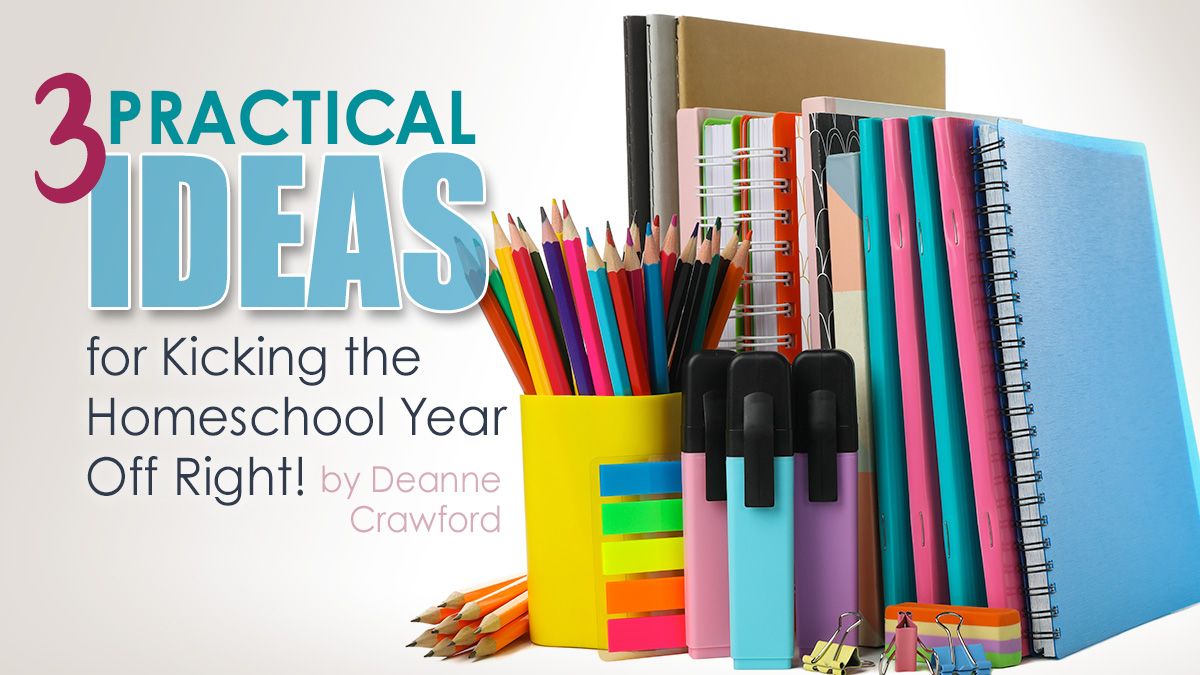
Lesson plans done. School books organized and tucked neatly on the shelf. Pencils sharpened. Meals planned. Laundry caught up. The conditions are PERFECT for back to (home)school! In my mind, I can see your total look of despair and eye rolling. That’s ok! Looking back on 15 years of homeschooling,...
We fill our lives with a lot of busyness. In the case of homeschool parents, this can put a lot of pressure on mom and dad to do their best multitasking on a day-to-day basis. You always have a multitude of things to accomplish – not only homeschooling your children, but also cleaning, laundry,...
You have made the decision to homeschool! If you are anything like me, the fear, anxiety, and nerves soon start to weigh on your decision. The self-talk begins to chip away at the resolve over the well-researched, prayed-over, and supported decision you just made. Whether your first child is...
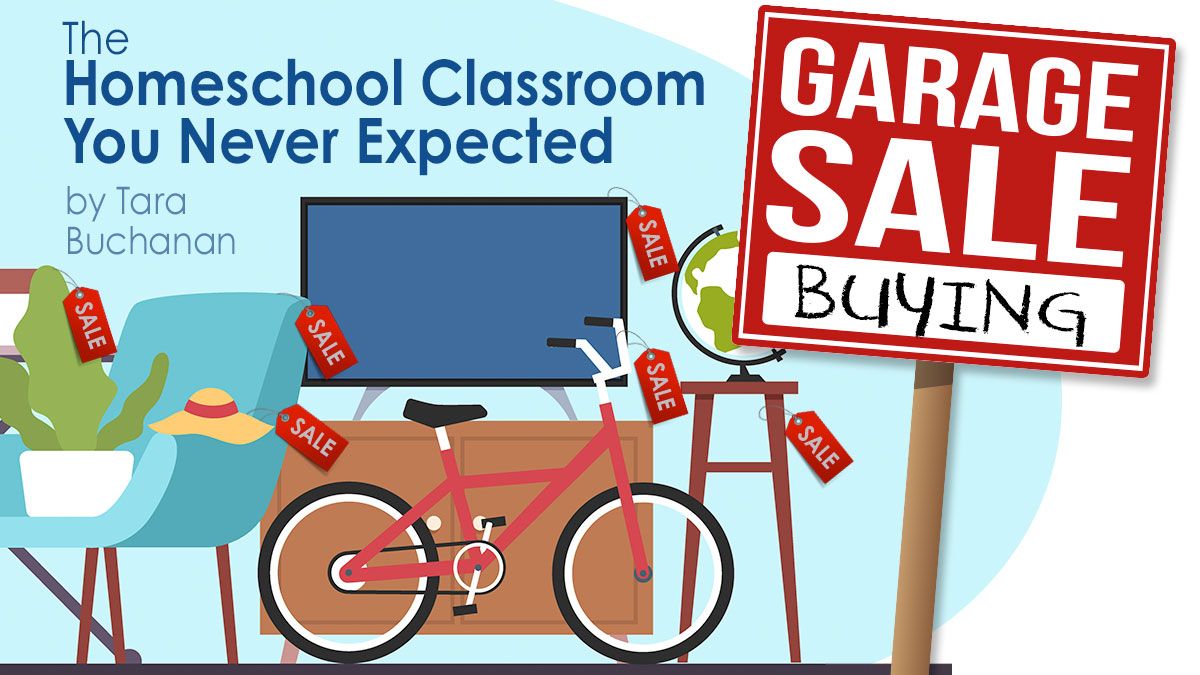
For my family, the end of the school year coincided with the beginning of my favorite season: garage sale season! That’s what I call it here in the Midwest. We’d visit towns near and far who were having neighborhood sales and spend the day seeing what treasures we could find! For my kids, they...