Welcome to the Rainbow Resource Center Homeschool Blog — your go-to source for free, in-depth, and practical homeschooling advice from our team of experienced homeschool moms and educators!
Whether you're new to homeschooling, supplementing your current setup, or looking for fresh inspiration, we're here to support you every step of the way — no strings attached.
Reach out to our consultants anytime with your questions or dive into our posts below. Happy homeschooling!
Live Chat during regular business hours, Monday-Friday, 8:30am-5pm CT
Call to talk to our consultants during business hours at (888) 841-3456
Email consultants@rainbowresource.com and we'll respond to your questions!
When a student approaches a perceived challenge in a school subject, it can often lead to critical reflection in both our students and in ourselves. In these moments, it's important to identify the “why” behind the challenge and find ways to navigate through it. What is making this task “not fun”? Is it too challenging? Is it not enough of a challenge? What makes certain materials or subjects difficult for our students? Are they resistant because of aknowledge deficiency or is it a mere challenge to their knowledge base?
I am amazed daily by what we can learn: all the opportunities for learning and discovery available and accessible to us. This is something to intentionally instill in our children: the importance of looking for those opportunities and looking forward to learning new things. Is it just me, or does this desire wane as our students get older? As I get older, I am developing a deeper appreciation for education, specifically my own learning. I know this is something my mother and my teachers wanted for me from the very beginning and all through my years of education. It is what we hope for every student; what we pray over every child. It is also something we can, and must, model for every learner.
How time consuming is this curriculum to teach? What is the time investment for each lesson? Does it require advance planning and preparation time, one-on-one instructional segments, or both? These are all important considerations when it comes to making a curriculum decision. We convey this information in our orange “Teacher Involvement Time” icon and it is also the part of the FAMILY Way acronym that takes YOU into account. YOU are an important part of the success equation!
It seems that kids these days have it easier when it comes to finding information. Just google it, and bam, there’s the answer! They don’t have to drive over to the library and pull large reference volumes off the shelf just to find the answer to a question or do a quick fact-check. Google is a fact of modern life and is almost essential to our lives as adults. But before our kids start googling, which is inevitable, we can teach them to be good searchers of information outside of the internet. This is an important skill to develop, and it usually means searching through physical books first!
You've bought the perfect writing curriculum and even lined up a tutor, but is your student truly equipped to thrive? In homeschooling, success in writing often hinges less on the program itself and more on the personalized environment, tools, and process that make the subject feel approachable and owned. From discovering a student's ideal learning spot to curating fun, interest-driven supplies like favorite-colored pens or themed notebooks, and experimenting with processes like mind maps or free-writing, small tweaks can transform dread into discovery. Join your child in building a space and routine that fits them—you might just nurture the next great storyteller.
Even if you’ve managed to get into a nice schedule after the holidays, the winter months can seem to drag on, and sometimes winter doldrums set in. Kids are longing to go outside but the weather doesn’t allow it. Why not overcome those winter blues by incorporating games into your homeschool routine? Games offer opportunities for hands-on learning, stimulate creativity, and foster critical thinking skills. Here are a few new games we’ve recently added to supplement the four core subjects that might make your homeschool lessons more engaging and memorable.
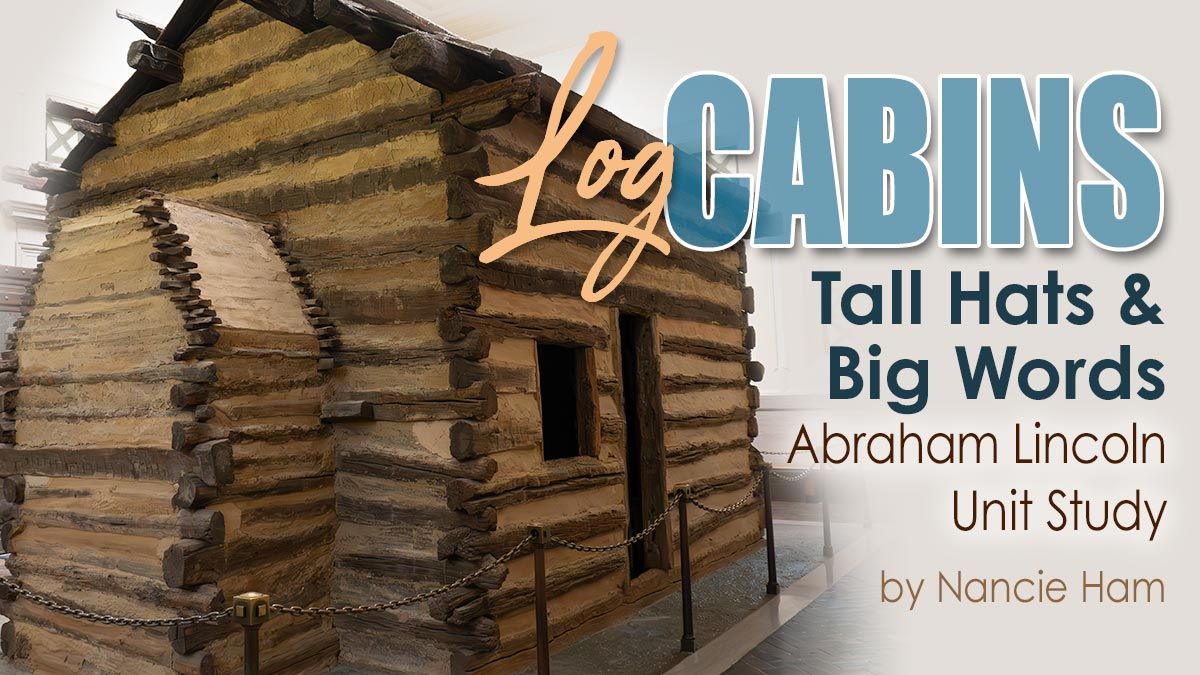
February may be the shortest month of the year, but it’s packed with presidential history! It’s the month of Abraham Lincoln’s birthday (February 12, 1809) and the season when many families and schools observe Presidents’ Day. That makes it the perfect time to step into the life of a man whose journey stretched from a dirt-floor cabin…all the way to the White House!
So, your child is reading now—that's cause for celebration! But how do you know they're truly understanding? Discover Charlotte Mason's simple narration technique: a gentle way to check comprehension, build vocabulary, sharpen thinking skills, and transition from oral retellings to written summaries. Perfect for any age, genre, or curriculum, this fun method turns reading into deep, joyful learning!
Discover the life of George Washington Carver, the renowned African American scientist, inventor, and educator known as the "Peanut Man." This unit study explores his journey from slavery to becoming an agricultural innovator who developed hundreds of uses for peanuts and sweet potatoes.
Reading aloud to children is a wonderful family experience! The winter is the perfect season to incorporate family read aloud sessions. Whether you have a reluctant reader or a voracious one, everyone can join in to share a delightful story together. It’s a healthy, screen-free way to enjoy purposeful time as a family. Together, you’ll encounter characters, adventures, and resolutions right in your own home. These moments create special bonding time that your kids will always remember. Here are 6 practical read aloud tips to help your family get the most out of family read aloud sessions.
Remember that beautiful homeschool plan you made in August? The carefully chosen curriculum, the schedule that looked completely doable, and the vision of everyone happily getting their work done each day? And then the school year started. In August, we make plans based on what we think our...
You made an important decision to homeschool your children, and with it comes a lot of changes. Walking away from the rhythm and structure of the school day might leave you a little overwhelmed. But take heart, even though there are big changes, the blessings will be plentiful! Many years ago, my...
Reading aloud equips your children with a personal toolbox they’ll use throughout their lives as readers, learners and communicators. In our busy and demanding home school lives, though, making time for this activity can be a challenge. In Part 1, we discussed the Why of reading aloud to all ages....
Snuggle up before bedtime, pull out a picture book, and read to your preschooler. Many families read to their children in the early years. They know that reading aloud plays a significant role in a preschool child’s thinking and language development. Reading aloud to preschoolers increases their...
Lesson plans done. School books organized and tucked neatly on the shelf. Pencils sharpened. Meals planned. Laundry caught up. The conditions are PERFECT for back to (home)school! In my mind, I can see your total look of despair and eye rolling. That’s ok! Looking back on 15 years of homeschooling,...