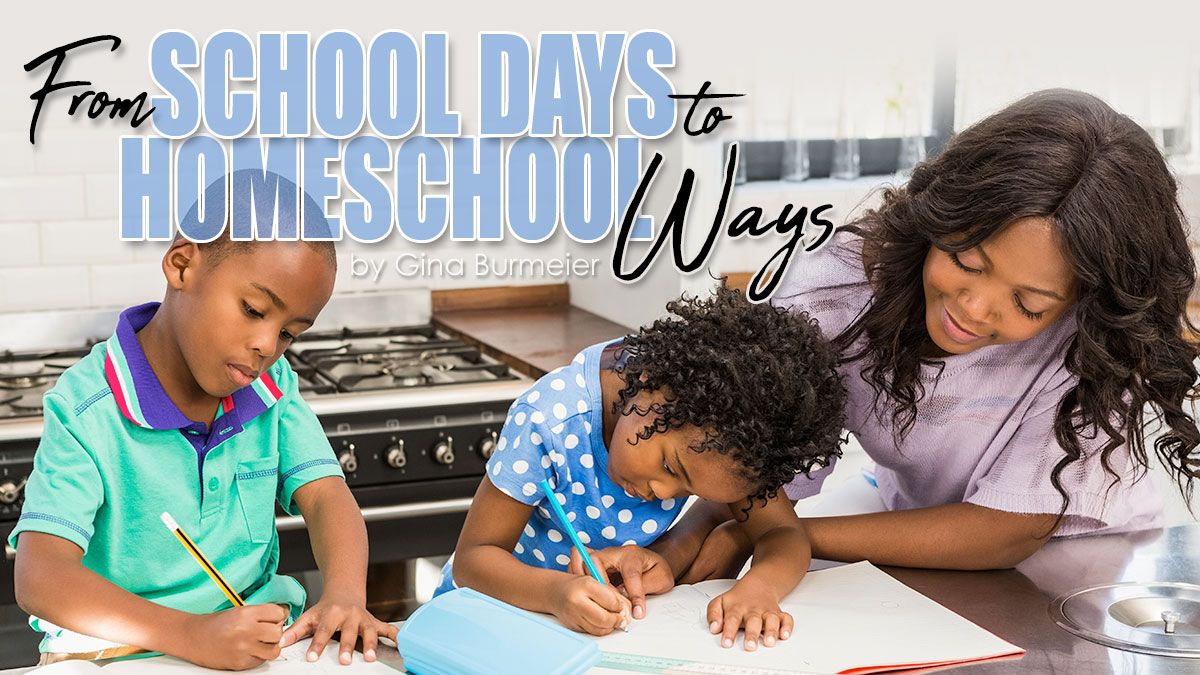
Cooking together promotes family relationships, self-confidence, and healthy eating habits. Not to mention the practical application of mathematics, vocabulary development, and social skills. I might also add that it is fun! In this two-part series, let’s look at mom and child-friendly ways to incorporate cooking into the homeschool day.
Learning to read isn’t about speed. It’s slow and challenging work, particularly at first, when the goal is learning how to read. Novice readers will read slowly, and it’s important that we remind them and ourselves that the end goal (fluency) is worth the hard work. Skills take time!
Election year gives you a special opportunity to teach your student the process America goes through to pick a president and other elected officials. There are many ways to help students learn about state, local, and federal election processes, understand the power of their voice and the vote, and become engaged participants in our nation’s constitutional republic. Discover how to incorporate the topic of elections into your school year!
Teaching our children to read is one of the most rewarding things we will do as homeschool parents. And it is an accomplishment we should celebrate with our children. But as phonics are mastered and we shift our focus to the other English language arts skills like spelling and grammar, I want to encourage you to take time to help children find joy and purpose in reading. The helpful acronym "LEADER" highlights 6 key benefits of reading for children!
Rainbow Resource Center is located in the heart of the Midwest, and staff members experience the beautiful season of fall with cool temperatures and colorful trees. It is a favorite time for families to enjoy harvest parties, hay rack rides, bonfires, orchards, smores, and caramel apples. Nature hikes include crunching around in the newly fallen leaves and collecting many different vibrant colors. These outings present a great opportunity to explore or discuss science with your students!
Something we often hear from parents is how much they are learning about history when homeschooling their children. We offer some amazing options for history in a variety of formats. But is that the difference? Is that what is speaking to you? Or is it that you have more life experience and are applying your context to the content being taught. I would argue the latter. So, how do you make history relatable for your students?
Spelling does not come naturally for all children. In our homeschool, I had one child who naturally excelled at spelling, while my second child struggled with spelling until high school. Over time, his spelling improved with creativity and effort. If you have a struggling speller, here are a few things that we did at home that you can try.
Why not introduce mysteries to your children—particularly if your children are still finding their feet in reading or are struggling to enjoy the process? Children’s mysteries don’t include the problems that seem to dominate adult mysteries, yet they can be just as engaging—and a compelling competition to screen time. Here are some practical benefits mysteries provide for all types of readers!
Are you a parent of a reluctant reader waiting for your child to find reading fun? Don’t give up! This perceived delay may not be about reading difficulties but more about your child recognizing the joy and the why of reading. As I talk to parents who are concerned about a child reading, we have found that nonfiction leveled readerswill repeatedly open that door for their reluctant readers.
There’s more than one way to help children find the joy in reading. Often, to encourage a student in reading our first go-to is fiction. Not every child, however, responds well to that genre. If that's the case for your child, try biographies! Biographies can open the door for some real-life exciting reading. And, research show that this genre benefits a reader well beyond just the reading itself.
Remember that beautiful homeschool plan you made in August? The carefully chosen curriculum, the schedule that looked completely doable, and the vision of everyone happily getting their work done each day? And then the school year started. In August, we make plans based on what we think our...
You made an important decision to homeschool your children, and with it comes a lot of changes. Walking away from the rhythm and structure of the school day might leave you a little overwhelmed. But take heart, even though there are big changes, the blessings will be plentiful! Many years ago, my...
Reading aloud equips your children with a personal toolbox they’ll use throughout their lives as readers, learners and communicators. In our busy and demanding home school lives, though, making time for this activity can be a challenge. In Part 1, we discussed the Why of reading aloud to all ages....
Snuggle up before bedtime, pull out a picture book, and read to your preschooler. Many families read to their children in the early years. They know that reading aloud plays a significant role in a preschool child’s thinking and language development. Reading aloud to preschoolers increases their...
Lesson plans done. School books organized and tucked neatly on the shelf. Pencils sharpened. Meals planned. Laundry caught up. The conditions are PERFECT for back to (home)school! In my mind, I can see your total look of despair and eye rolling. That’s ok! Looking back on 15 years of homeschooling,...