
- This program requires one-on-one tutoring.
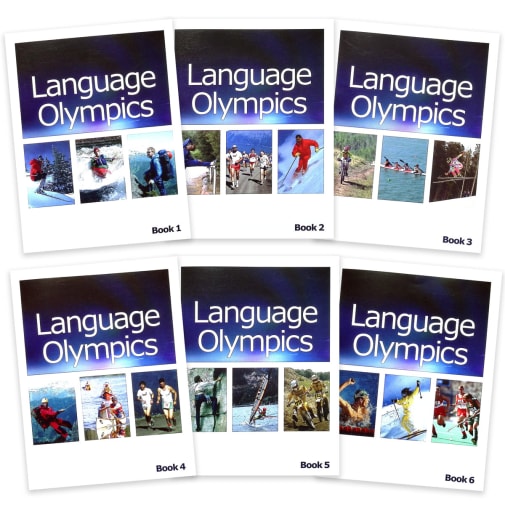
- There are six student workbooks, each having five lessons. The thirty lessons take a student from being a non-reader up to fifth level in reading skills.
- There is a progress chart on the inside front cover of each book. Use the chart to check off each task that your student completes.
- If a student is able to master one lesson per week, he will complete the program in about 8 months.
This is a reading mastery page. Use a folded paper or ruler to help your student’s eyes focus on each line of words. Your student may need to hear you say the word first. You read and the student “echoes”. Then have them read it alone. If needed, point out the individual sounds that make up the word, and show them how to “sound out” a word.
SPELLING
The spelling words are selected from the phonics page and are based on their frequency of use in everyday language. Have your student read the list of spelling words. Then have them read each word and spell it aloud. (Example: “cat…c-a-t”)
- Word-meaning activities: Your student may need help with the instructions at first, but they will become more independent as they move through the course.
- Word/picture match: Your student reads the words at the top of the page and then writes each word under a picture.
- Spelling Practice: Have your student practice spelling the words aloud and writing them.
- Written Test: Dictate the words, and have your student write them.
- Be sure your student uses a pencil for all written activities.
SIGHT WORDS
- To become a fluent reader, a person must instantly recognize words that make up the bulk of written material.
- Each lesson introduces 24 sight words. Many of these are not spelled the way they sound. Have your student practice until they can easily read them. This prepares them for reading the stories.
- He can use the sight-words page in the book, or the page may be copied and cut into flashcards.
USE SIGHT AND SPELLING WORDS
The student chooses the correct spelling word to fill in the blanks. They then read the sentences aloud.
READING & TELLING THE STORY
- This course includes 30 Old Testament stories for reading comprehension.
- Read the story aloud and have your student use their finger or a pointer to follow along with the words as he listens to you read.
- Have your student find each sight word in the story and then highlight or underline it. He may also mark any of the phonics or spelling words that appear in the story.
- Your student reads the story aloud, with you helping as needed.
- To demonstrate comprehension, the student tells the story in their own words.
STORY REVIEW
The student uses words from the boxes to fill in the blanks. At this point, he should be able to do most of the work on their own.
STORY ACTIVITIES
The story activity page provides a variety of reading comprehension activities. Give your student as much help as he needs, but encourage as much independence as possible.
COMPLETION CHECKLIST (END OF BOOK)
The book is considered complete when the student has demonstrated mastery of all five lessons. When the tutor can verify that their student is ready, he signs the completion certificate and their student may begin the next book.