The teaching methodology utilized by ALL of the Singapore
Approach math programs is an exceptionally effective progression from concrete
to pictorial to abstract reasoning. In comparing the various editions of
Primary Math (US, SE, and CC), it's important to remember that they are much
more alike than they are different. We can get bogged down trying to determine
the actual differences between the editions when they are extremely minor in
relation to the solidarity and consistency of the teaching methodology.
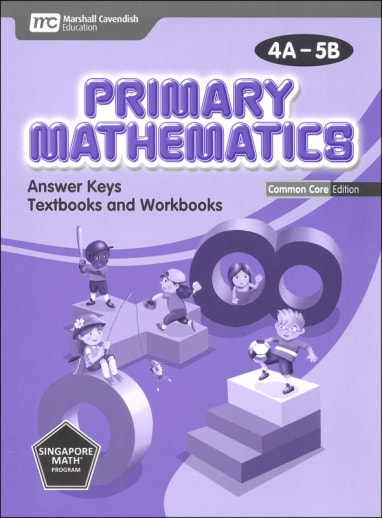
Primary Math Common Core Edition is aligned to the
Common Core State Standards which have been adopted by many states, but which
are still controversial. In relation to Primary Math, this alignment has not
impacted in any significant way the general methodology of the program. In
fact, it still has the same basic structure, content, and format of its
original predecessor developed over thirty years ago. If you want to carefully
compare the three American editions (US, SE, and CC) from Singapore Math, Inc,
please see the scope and sequence chart on our website.
It is NOT possible to mix basic components (i.e. workbooks,
textbooks, teacher guides, or home instructor guides) from one edition with those from another edition
although the supplementary material can be used across editions. It IS possible
to change from one edition to another, but changes should be made after
completing the B books of one level and before the A books of another level.
Primary Math Common Core Edition retains the A and B
semester courses for each level. The full-color Textbooks (A
and B) are written to the student, although it is assumed that
instruction is being facilitated and supervised by the teacher. For instance,
much of the concrete aspect of the lesson presentation is conducted by the
teacher using manipulatives and supplies outlined in the Teacher Guide before
progressing to the pictorial representation found in the textbooks. Also, the
mental math activities (an important component of the program) are based in the
Teacher Guide. The Textbooks could be used either as consumable (working and
writing answers to problems as the student progresses through the lesson) or as
non-consumable - answering orally in dialog with the teacher or writing answers
on separate pieces of paper.
Workbooks (black and white) correlate directly with the
textbooks and the student is expected to do all the work in them independently.
The workbooks provide focused practice on the mathematical concepts presented
in the textbook lessons. It's important to note that the workbooks are just
that - practice and reinforcement - with the bulk of the mathematical
instruction presented through the textbooks. Although many people feel that
there is an appropriate amount of practice/reinforcement in the workbook when
coupled with the textbook, some students will need or want more and that's
where the supplementary books - Extra Practice and Challenging Word Problems
come in.
Teacher Guides are exceedingly useful - if not
necessary - for these courses. They help the teacher understand the course
material, particularly key concepts such as the bar modeling method which the
parent might not be familiar with. They provide detailed lesson plans (not
quite scripted but thorough) which coordinate the textbook presentations with
the workbook practice. Lessons often include references to Mental Math,
Reinforcement, or Enrichment activities as well as suggestions for memorizing
math facts. There are reproducible worksheets for Mental Math and Reinforcement
as well as descriptions for activities and games found in the back of the Teacher Guide.
Answers to those worksheets as well as the workbook exercises and the textbook
examples are all found in the Teacher Guide.
For your convenience, we offer helpful manipulative packages
that contain most of the necessary manipulatives for their level.